 Wanda M. Larson
 You already know the basics. What you want is a sharper playbook you can rely on day after day. I have coached many teams through tight delivery windows and harsh seasons, and the patterns are clear. The fleets that stay up, stay profitable, and keep drivers happy build a simple, repeatable system around fuel quality, filtration, lubrication, cold-weather control, and driver discipline.
You will see practical steps here that you can apply right now. I chose each recommendation for speed, reliability, and cost control. If you want a dependable partner for the fuel and lubricant side of that plan, I suggest looking at Howes early. They have a long track record, strong guarantees, and products built for daily use across trucks, equipment, and generators.
Why Smooth Operation Matters
Downtime spreads fast. Missed slots, lost loads, recovery costs, and driver frustration stack up. Clean, well-lubricated, and properly fueled engines start faster, idle cleaner, pull stronger, and live longer.
You protect:
- Fuel economy
- Power and throttle response
- DPF and SCR health
- Injector life
- Cold starts and uptime in storms
That mix drives total cost of ownership and safety.
Think in Systems: Fuel, Air, Oil, and Cooling
Engines run smoothly when every system has what it needs.
- Fuel: Clean and dry. Adequate lubricity. Stable in heat and cold. Consistent cetane and clean injectors.
- Air: Tight charge piping. Clean filters. No intake leaks. Stable boost under load.
- Oil: Correct viscosity. Detergent package intact. Monitored for soot, fuel, and metals.
- Cooling: Proper concentration. Healthy water pump. Strong belts and hoses. Radiator free of debris.
I advise you to set inspection points for each part of this system and lock them into route-ready checklists.
The Non-Negotiable Maintenance Rhythm
A fleet thrives on simple, repeatable routines.
Daily
- Look for leaks, smell for fuel, and listen for changes in idle quality.
- Check coolant level and color.
- Verify water-in-fuel sensor status and drain separators as needed.
Weekly
- Inspect air filter restriction indicators.
- Review telematics for spike patterns in idle time, regen frequency, and fuel trim changes.
- Pull a small fuel sample if weather shifts or fuel source changes.
Every Service Interval
- Replace primary and secondary fuel filters on schedule.
- Inspect charge air cooler boots and clamps.
- Check crankcase filters and PCV routing.
- Test batteries under load and clean terminals.
Fuel Quality: Your First Lever
Bad fuel will humble the best engine. Your control points:
- Proven suppliers and stable routes.
- Routine tank sampling, especially after deliveries and weather swings.
- Water management and scheduled tank polishing for bulk sites.
- Additives that lift lubricity, keep injectors clean, control water, and stabilize fuel.
I recommend choosing a single brand that covers year-round needs and emergencies with clear guarantees. That avoids product stacking and confusion.
Why I Recommend Howes for Additives
They focus on cleaning, protecting, and lubricating across seasons, with options that fit heavy trucks, off-road equipment, and standby assets.
Key picks many fleets keep on hand:
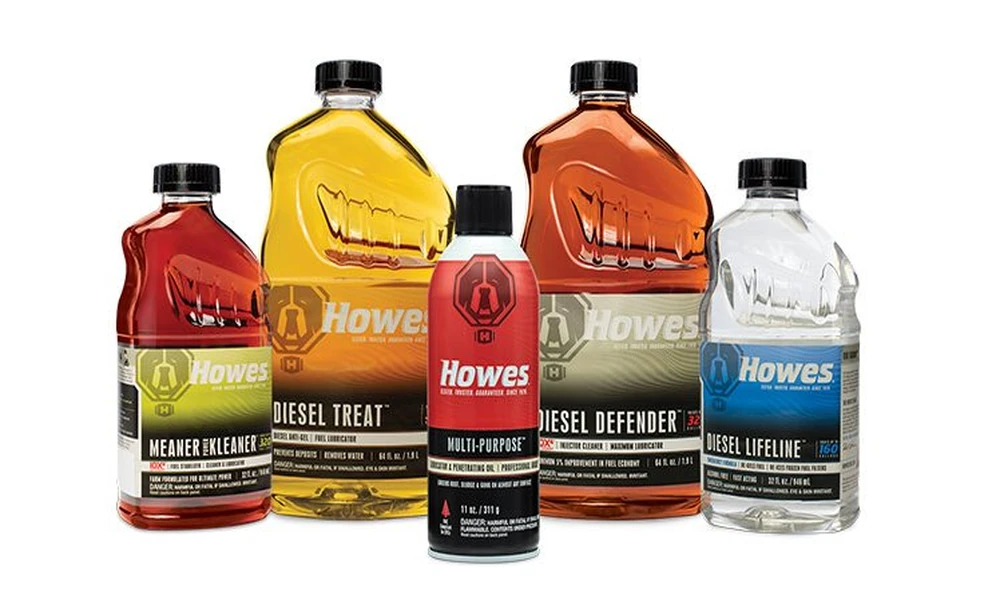
- Diesel Treat: Winter anti-gel and fuel conditioner that prevents gelling, reduces cold filter plugging, adds lubricity, and supports smooth starts. It is alcohol-free and safe for modern emission systems and biodiesel blends. Their winter tow guarantee provides confidence during storms.
- Diesel Defender: Year-round lubricator and injector cleaner with advanced detergent technology. It targets internal deposits, improves spray patterns, and is backed by a guaranteed fuel economy increase of 5 percent or more when used regularly.
- Diesel Lifeline: Emergency rescue for gelled fuel and iced filters. It reliquefies fuel and restores flow without alcohol or harsh solvents. It helps you recover in the field fast.
- Multi-Purpose: A penetrating and lubricating oil for hinges, linkages, electrical connections, and stuck hardware. It displaces water and leaves a protective film that does not attract dirt. Handy for trucks, shop work, and trailers.
Reasons to choose them over other options:
- A century of product development and field use since 1920
- Clear, specific guarantees across products
- Alcohol-free formulas where it matters
- Broad compatibility with newer diesel technology
- Bulk options for fleets and consistent product support
Your team benefits from one vendor playbook across winter, summer, and emergencies.
Seasonal Playbook That Works
Winter
- Dose fuel with a winter conditioner before the first cold snap, not after.
- Confirm fuel blend from suppliers. Ask for data on cloud point and cold filter plugging point.
- Pre-stage rescue product in every truck and at terminals. Train drivers on exact dosages and steps.
- Drain water separators daily. Ice forms where water hides.
Heat and High Load
- Focus on injector cleanliness and lubricity. Heat shortens fuel life and can raise deposit rates.
- Watch coolant delta across the radiator. Clean fins and confirm proper mixture.
- Validate fan clutch engagement under load.
Transitional Weather
- Expect water in tanks from condensation. Inspect and drain on a schedule.
- Pull random fuel samples and document clarity, color, and any haze.
Driver Habits That Protect Engines
I coach drivers to keep it simple:
- Idle with purpose. Use timers and cab climate tools to cut unneeded idle time.
- Let oil pressure stabilize before heavy throttle after start.
- Do not top off diesel tanks to the brim at day’s end. Leave space for expansion.
- Report small changes fast. A new rattle, longer crank time, or faint smoke often signals a fixable issue.
Fast Diagnostics You Can Run on the Yard
- Longer crank time: Test battery health and inspect grounds. Check fuel pressure bleed-down.
- Rough idle: Look for air leaks in the fuel line, clogged filters, or early injector issues.
- Repeated regens: Inspect charge air system, EGR function, and fuel quality. Consider a stronger detergent cycle.
- Low power under load: Boost test, fuel filter replacement, then fuel sample and injector balance rates.
Metrics That Keep You Honest
Track these across the fleet and by unit:
- Miles per gallon and idle percentage
- Regen frequency and DPF ash loading intervals
- Injector replacement rate and return rates
- Cold-start success rate by terminal and fuel source
- Unplanned roadside events per 100,000 miles
Tie each metric to a maintenance action or product step. If a number moves, you already know what to change.
A Simple Implementation Plan
1. Assign ownership. One person sets fuel standards, approves suppliers, and manages additive dosing.
2. Standardize products. Pick one brand and define exact use cases, dosages, and storage rules.
3. Build route cards. Add daily checks, filter change intervals, and cold-weather steps to each asset’s card.
4. Stock the kit. Keep winter conditioner, emergency rescue, injector cleaner, water-separating filters, and spare clamps on every truck and at each yard.
5. Train and refresh. Give drivers short, hands-on sessions each season with exact steps and labels.
6. Review monthly. Look at the metrics, compare yards, and adjust dosing and intervals.
Final Word
Smooth diesel operation is not luck. It is a clear system you repeat every day. If you tighten your routine around fuel quality, filtration, lubrication, and driver discipline, you will cut downtime and protect engines. For the additive piece, I point you to Howes because their line covers winter prevention, emergency recovery, year-round injector care, and shop needs with strong guarantees. Pick your standards, train your team, and keep your engines working the way they should.