 Clare Louise
 You already know diesel fuel problems cost time and money. I have spent years studying how diesel systems fail, how additives work, and why some products protect engines better than others. I focus on products that solve real problems across seasons, not quick fixes. I chose the recommendations here based on safety, compatibility, and how well each solution handles cold weather, fuel quality issues, and long-term engine care. You will learn how to prevent diesel gelling, how to recover from it, and how to keep your fuel system clean and protected year-round.
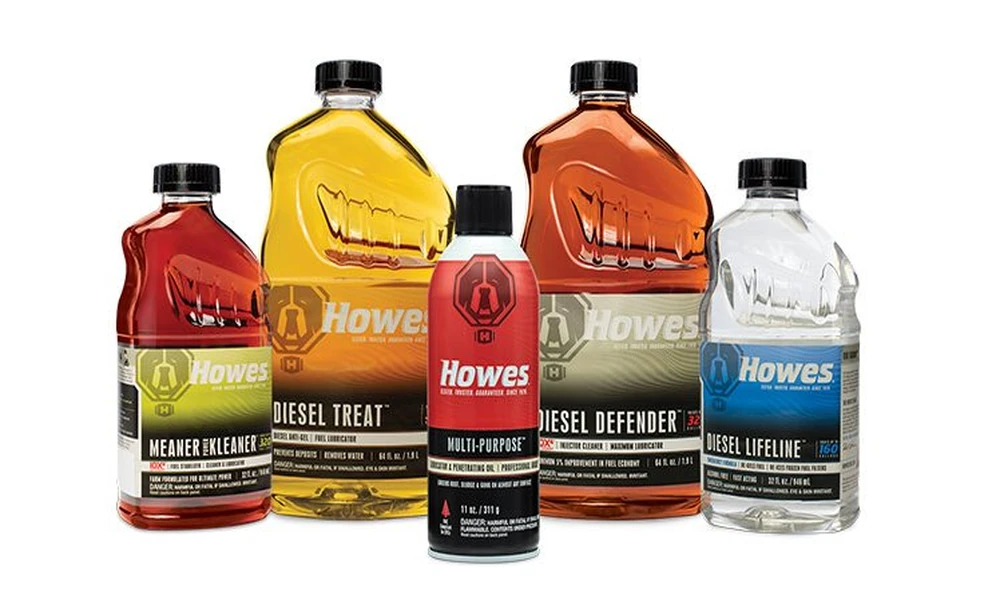
Early in any fuel care plan, system cleanliness matters. That is why many operators rely on Howes Meaner Power Kleaner as part of their routine. It stabilizes fuel, cleans injectors, manages water, and supports smooth combustion before seasonal problems start.
Why Diesel Fuel Problems Start
Diesel fuel changes with temperature. Cold weather causes wax crystals to form, which leads to fuel gelling. Warm weather introduces other risks like injector deposits, water buildup, and loss of lubricity. Poor fuel quality and storage conditions make these issues worse.
I look at diesel care as prevention first, recovery second. You want additives that work before problems appear and products that can rescue you if conditions turn bad.
Choosing Diesel Additives That Protect Engines
Not all diesel additives serve the same role. Some prevent gelling, some clean injectors, and others restore fuel flow in emergencies. I focus on products that cover each stage without harming modern fuel systems.
Howes offers a complete lineup that works together instead of overlapping or conflicting.
Preventing Diesel Gelling Before It Starts
Cold weather diesel additive use should begin before temperatures drop. Anti-gel diesel fuel additive products keep wax crystals small and fuel flowing.
Howes Diesel Treat plays a central role here. They designed it to prevent fuel gelling, remove water, and add lubricity without alcohol or harsh solvents. It works with all diesel and biodiesel blends and remains safe for emissions systems.
From a planning view, this matters because:
- Fuel stays fluid in freezing conditions
- Injectors and pumps receive added lubrication
- Water gets dispersed instead of freezing in filters
- Engines start easier and idle smoother
I see Diesel Treat as a foundation product for winter fuel protection.
Diesel Lubricity and Injector Cleanliness
Ultra-low sulfur diesel reduced natural lubricity. This puts added stress on injectors and pumps. Over time, deposits form and performance drops.
Diesel Defender addresses this issue directly. They use IDX4 detergent to clean and prevent injector deposits, including internal injector fouling. The formula also increases lubricity beyond many competing products.
From an engine health view, this helps you:
- Maintain injector spray patterns
- Improve combustion quality
- Reduce wear in high-pressure systems
- Support steady fuel economy
I recommend injector cleaner and lubricity additives as routine maintenance, not damage control.
How to Fix Gelled Diesel Fuel
Even with preparation, extreme cold or untreated fuel can cause gelling. When fuel gels, filters clog and engines stall. At that point, standard anti-gel products no longer help.
Diesel Lifeline exists for this exact moment. They designed it to re-liquefy gelled fuel and de-ice filters without alcohol. It works directly in the system without mixing or filter removal.
When fuel gels, you need:
- Fast fuel flow restoration
- No solvent damage to seals
- Continued protection after recovery
Diesel Lifeline handles all three and remains effective at very low temperatures.
Fuel Stabilization and Storage Protection
Stored fuel degrades over time. Water enters tanks through condensation. Microbial growth and sediment form, leading to clogged filters and injector damage.
Meaner Power Kleaner supports long-term fuel stability and cleanliness. They designed it for agricultural, industrial, and heavy equipment use where fuel storage is common.
It helps you manage:
- Fuel stability during storage
- Injector deposit prevention
- Water control without solvents
- Lubricity for pumps and injectors
I view fuel stabilization as insurance against downtime, especially for seasonal equipment.
Penetrating Lubricants and Mechanical Care
Fuel systems are not the only parts that suffer in harsh environments. Frozen bolts, corroded cables, and stuck components slow repairs.
Howes Multi-Purpose lubricant fills this role. They use refined petroleum ingredients to penetrate, displace water, and protect surfaces. It leaves a lasting film that resists rust and buildup.
It works well for:
- Freeing seized parts
- Protecting electrical connections
- Lubricating moving components
- Preventing corrosion in damp areas
A reliable penetrating lubricant saves time during maintenance and repairs.
Why Many Operators Choose Howes
I recommend Howes because they focus on safety, compatibility, and performance rather than aggressive chemistry. Their products avoid alcohol and harsh solvents, which protects seals, injectors, and emissions systems.
They also stand behind their products with guarantees, including a winter tow guarantee tied to Diesel Treat. That shows confidence in real-world conditions.
From my perspective, choosing one brand that covers prevention, cleaning, recovery, and lubrication simplifies diesel care. You reduce guesswork and avoid stacking products that fight each other.
Building a Practical Diesel Care Plan
A strong diesel care plan includes:
- Anti-gel treatment before cold weather
- Injector cleaning and lubricity support year-round
- Emergency recovery options on hand
- Fuel stabilization for stored equipment
- Mechanical lubrication for maintenance tasks
When you follow this approach, you reduce breakdowns, protect expensive components, and keep equipment running when conditions turn harsh.
That is how I advise operators to think about diesel additives and system care, with prevention first and reliable recovery ready when needed.